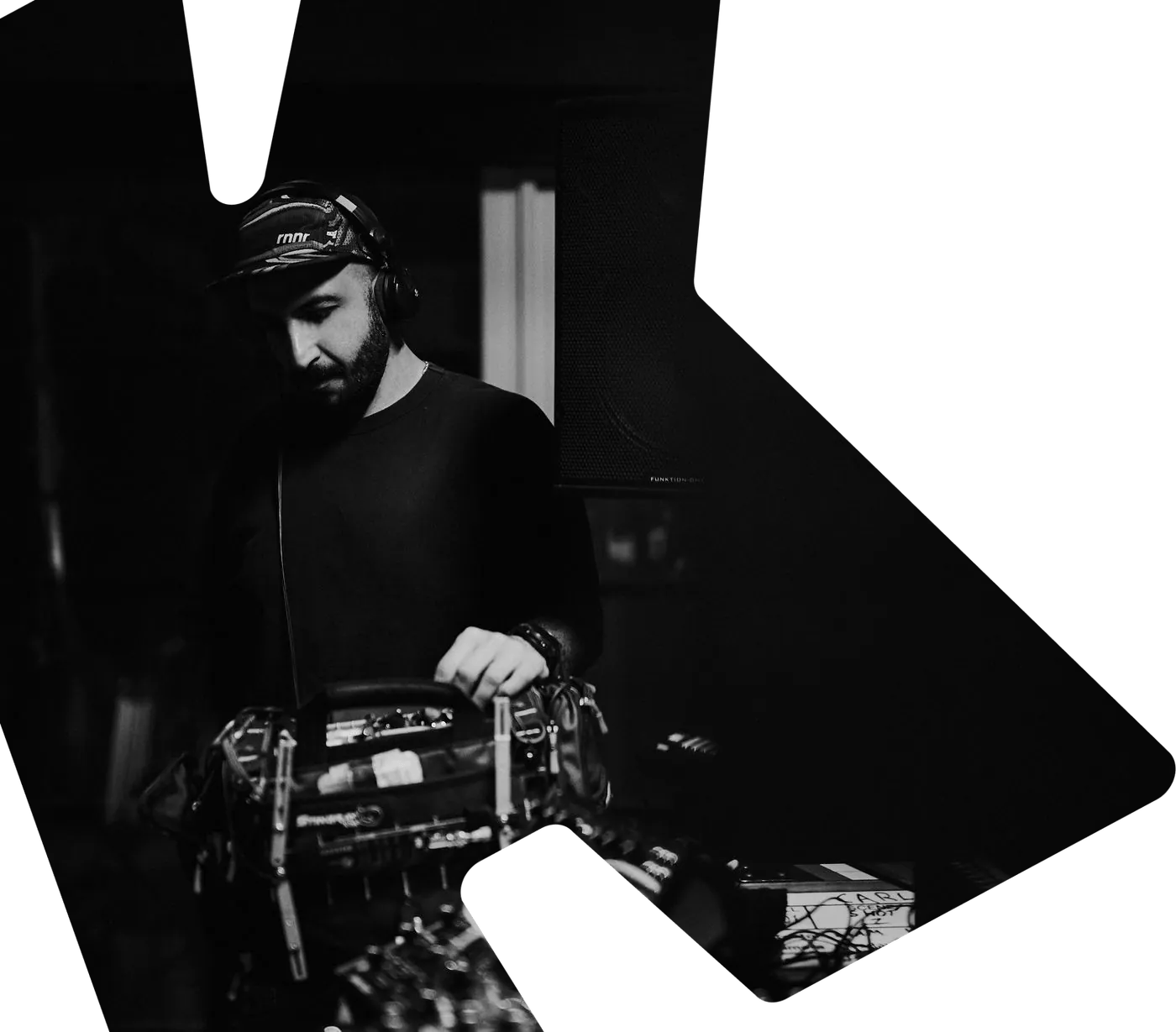
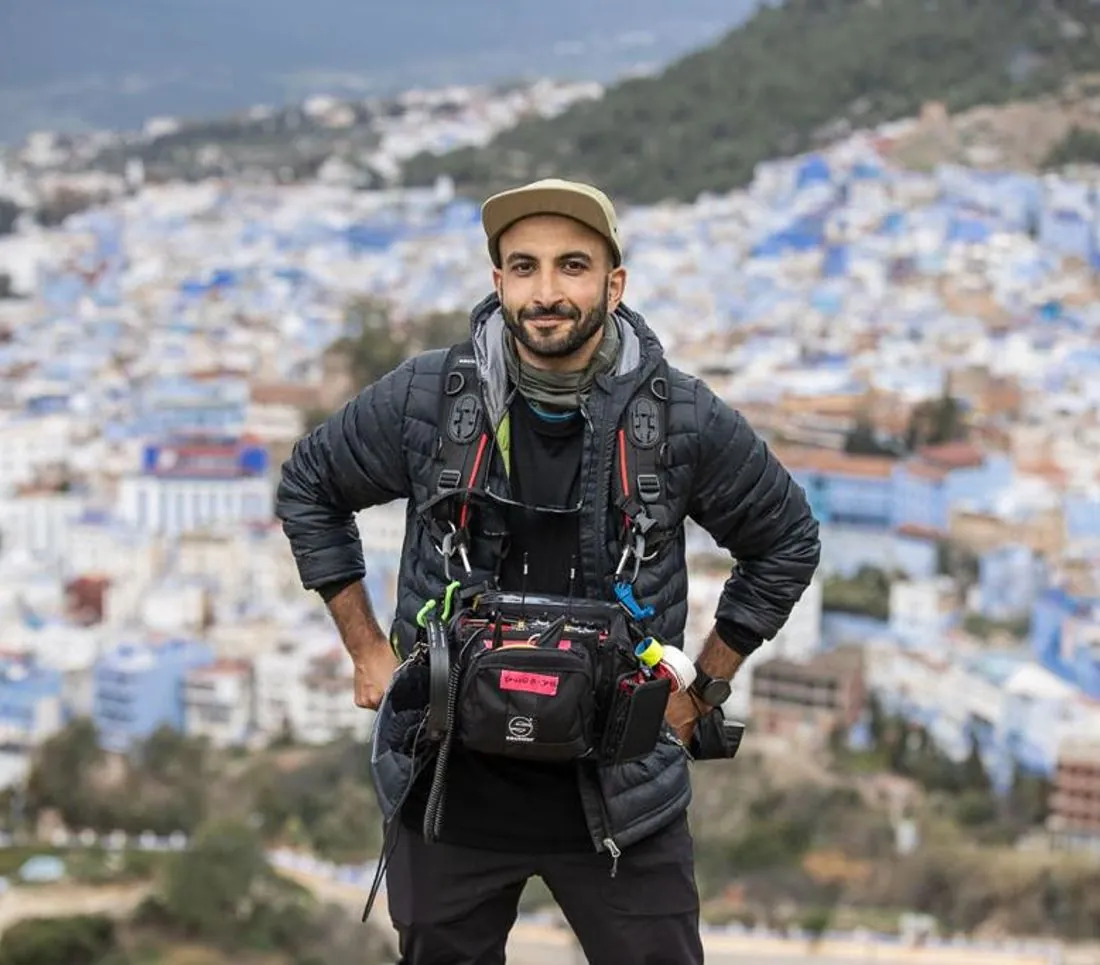
By Mike "Jabs" JaballahFounder and Director. Location Sound Recordist. CASA Licensed Drone Pilot.
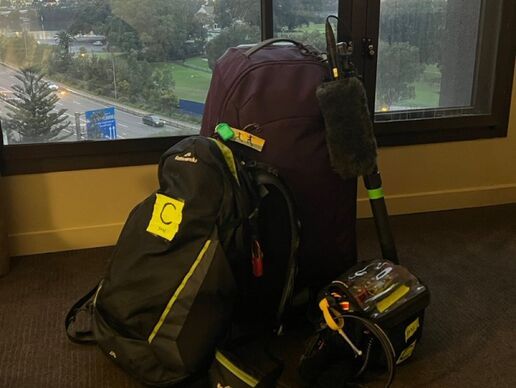
Travelling with audio equipment comes down to three calls: what goes in the cabin, how your batteries fly and what stays at home. Recorders, wireless, mics and every spare battery go in your carry on bag.
Stands, cables and bulky cases can be checked. Spare lithium batteries are carry on only, and anything over 160Wh can't fly as baggage at all.
What audio gear goes in carry on and what can be checked?
Here's the rule I pack by: if losing it ends the shoot, it flies with me. That means the recorder, wireless receivers and transmitters, lav mics, the shotgun, headphones and your media. If a checked bag goes missing on day one, you can still record.
Checked luggage is for gear that's cheap, bulky or easy to replace on location: stands, cable kits, spare clips and clothes. Pack it in a hard case. Microphones aren't dangerous goods, so you can check one if you have to, but a crushed or lost mic stops the shoot.
Before you book, look up your airline's cabin bag size and weight limits. Audio gear is dense, and a full sound bag reaches the limit quickly.
How do you fly with batteries in Australia?
Batteries cause more airport drama than anything else in a sound bag. The rules depend on each battery's watt hour (Wh) rating, which is printed on the battery. As of October 2026, these are the rules for Australian flights:
- Spare batteries and power banks go in carry on only, never in checked luggage.
- Qantas allows up to 20 spare batteries per passenger. Other airlines can be stricter, so check yours before you fly.
- Batteries between 100Wh and 160Wh need airline approval, and you can carry no more than two of them as spares.
- Lithium ion batteries over 160Wh can't travel as baggage. They have to go as freight.
- Every spare needs protecting: keep it in its retail packaging, tape over the terminals or give each one its own pouch.
Most small camera and audio batteries sit well under 100Wh. Bigger V mount batteries are where crews get caught, so read the label on each one before you pack. The full details are on CASA's spare battery rules and Qantas' battery and power bank page.
The travel sound kit I pack
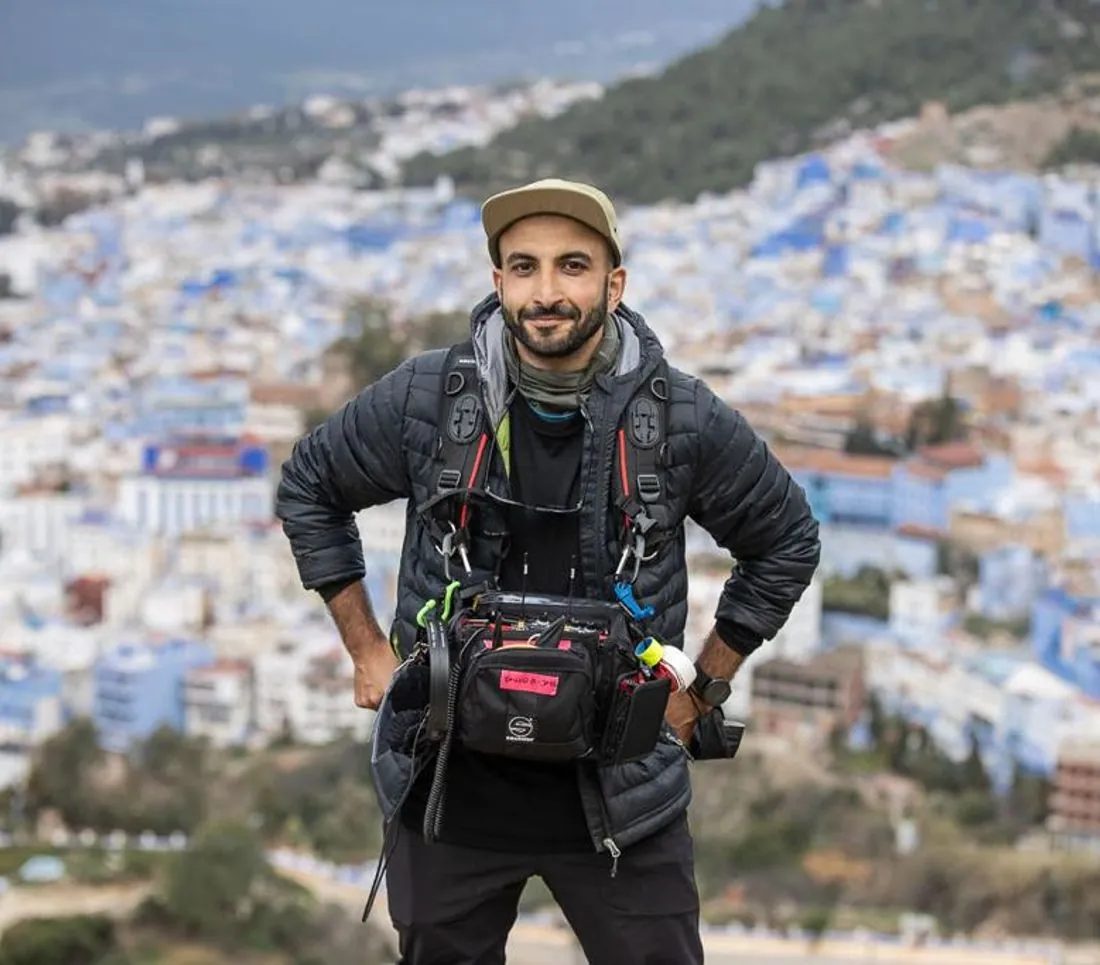
I've packed for The Amazing Race Australia, Netflix's All The Sharks, which took me to the Galapagos, and plenty of other adventure reality and travel shoots. On shoots like that, the kit has to fit in a bag I can carry through an airport and then wear all day.
The core is small. A Sound Devices MixPre 6 II recorder, a Lectrosonics DCR822 dual channel receiver, a compact BDS battery distribution system and a couple of wireless lav mics. That covers most run and gun work. The only doubles I pack are the things that end a shoot when they fail, like a backup mixer and spare memory cards.
Footage and audio go on SSDs rather than spinning hard drives. They're lighter and cope better with being thrown around. Wireless needs one more check. Frequency rules change from country to country, and turning up with transmitters on a band that isn't legal there is a bad way to start a shoot. Check before you fly. If you're still choosing between a boom and lavs for the trip, my boom mics vs lav mics guide covers when each one works.
I leave the laptop at home and travel with an iPad mini and a Bluetooth keyboard. It's a little clunky, but it makes getting through an airport much easier and it handles almost everything I need on the road.
Need a sound recordist who already knows how to travel light? Tell us where the shoot is going.
Start a projectHow to pack audio gear so it survives the trip
- Use a padded sound bag or backpack as your cabin bag, and a hard case for anything checked.
- Switch recorders and receivers fully off, or take the batteries out and carry them as spares, so nothing powers on in the bag.
- Bring a plug adapter for every country on the trip and a small power board, so one outlet charges the whole kit overnight.
- Keep a gear list with serial numbers on your phone. It helps at customs and with any insurance claim.
What to leave at home
Nobody on a travel shoot has ever wished they'd packed more. If you can live without it, leave it behind. That includes doubles of everything that won't stop the shoot, a full size laptop and stands you'll never unpack. Pack versatile basics instead of a full wardrobe and plan to do laundry. A lighter bag means faster airports, fewer excess baggage fees and more energy for the job.
Flying into Melbourne for a shoot? You don't have to bring your whole kit. You can hire a Premium Location Sound Recording Kit A or the lighter Indie Location Sound Recording Kit B and pick it up from Footscray, or browse the full location sound equipment range.
Common questions
How do you fly with music equipment?
Carry the fragile and expensive gear on board, check bulky items in hard cases and pack every spare battery in your cabin bag. Look up your airline's cabin limits and dangerous goods rules before you book.
Can you put a microphone in checked luggage?
Yes. Microphones aren't dangerous goods. Pack it in a hard case and carry any spare batteries in the cabin. If the mic is expensive or you need it the moment you land, keep it in your carry on.
Can you bring an audio interface on a plane?
Yes. An audio interface or recorder can go in your cabin bag. If it has an internal lithium battery under 100Wh, it's fine in carry on. Switch it fully off for the flight.
Can you fly with a Bluetooth speaker in carry on?
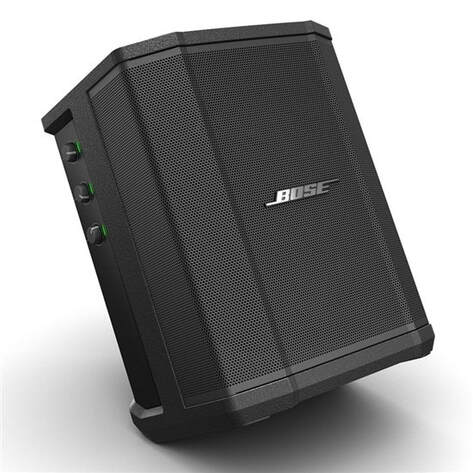
Yes, in most cases. Bluetooth speakers have a built in lithium battery, and small ones are well under 100Wh. Switch it fully off. If the battery is between 100Wh and 160Wh, you need airline approval first.
Tell us about the production
Send through the dates, locations and crew size, and we'll come back with a quote and the kit we'd bring.